Team day at sea
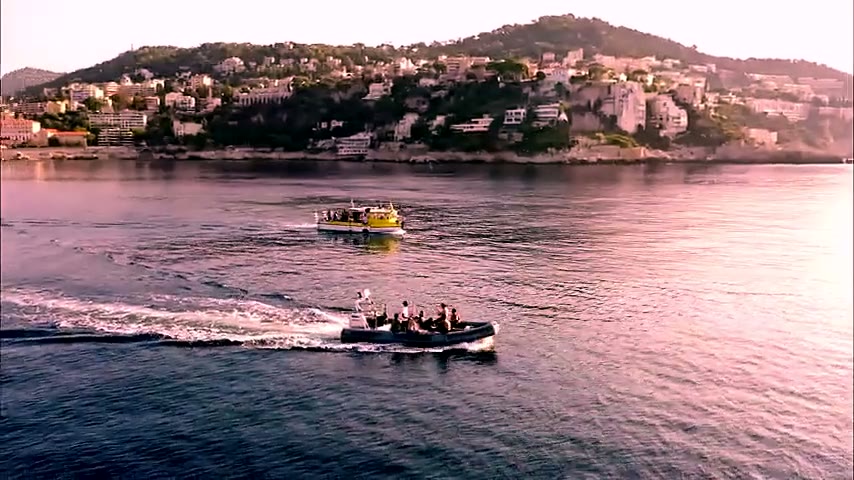
Half a day at sea designed to bring a team together: a try dive or snorkelling depending on what appeals, a group briefing, and a shared moment well outside the usual setting.
- A marine-ecology outing that meets a CSR commitment, snorkelling or freediving
- A treasure hunt where non-divers play too: the riddle is only solved once the whole team is back up
- No performance required, no stopwatch: nobody has to get in the water
- A meeting room at anchor, with no signal and no door opening
- Up to about twenty people, two rotations beyond that
- Quote and programme within twenty-four hours
- Email confirmation with the details of your trip
- Limited group size maximum 20 participants
What is included
Included in the price
- Guiding by a state-qualified instructor
- Full equipment, fitted to your size
- The boat trip from the Port of Nice
- The centre's third-party liability insurance
Not included
- Administrative fees and the tax stamp
- The medical certificate
- Passport photos
- Travel to the Port of Nice
- Tips for instructors and guides, entirely up to you
What to bring
- Swimsuit and towel
- Reef-safe sunscreen
- A windbreaker for the boat ride
- Something to drink
- Parental consent for minors
What the sea does to a team
A day at sea shifts a group’s reference points: nobody is at their desk, nobody has a screen, and the person hesitating to get in the water is not necessarily the one you expected. That shift is what does the work, far more than the activity itself. Our job is to make it possible without putting anyone in difficulty.
The marine ecology trip
The format that answers corporate responsibility commitments, and the one that leaves the most concrete mark. An instructor first introduces the environment on board: the Posidonia meadow that produces oxygen and holds the sand in place, the coralligenous reef and its gorgonians growing a centimetre a year, what lives in fifteen metres of water ten minutes from the harbour.
Then we go down and look. Snorkelling for everyone, or freediving for those who want to get closer: with no bubbles and no regulator noise you disturb far less, and there is nothing to carry. Whatever is floating or lying about comes back up with us. On board we sort it, weigh it, and talk about it.
And it should be said plainly: on some days we bring back almost nothing. That is the best news of the day, and we will not pretend otherwise to get a good photograph. What the team takes away is not the weight of the bag — it is having seen with their own eyes what lies beneath the surface.
The underwater treasure hunt
A riddle cut into fragments, spread across several points on the same site. Teams of three or four are given a compass bearing and a waterproof slate. Underwater they observe, count and record: a species to identify, a number to note, a marker we have placed.
One rule governs everything else: nothing is solved underwater. Down there you observe and report back; you think on board. That is what stops us creating divers in a hurry who forget to check their pressure gauge — there is no race, no stopwatch, and the depth stays shallow.
The rule has a happy side effect: the fragments can be collected snorkelling just as well as on scuba. Those who do not want to dive still play, and since nobody holds all the pieces, the riddle only falls once the whole team is back on board.
Three other formats
The à la carte half-day
The most requested. Everyone chooses on board: a try dive, snorkelling, or simply the sail. Nobody is obliged to get in the water, and that is precisely why everybody comes.
A try dive for everyone
When the team wants to go through exactly the same thing. Each person breathes underwater for the first time, one-to-one with an instructor. Above eight people, two rotations: those waiting their turn are on board, not on the quay.
The meeting at anchor
The boat stops in a cove and becomes a meeting room. A presentation, a debrief, a management offsite: no signal, no door opening, no screens. Several teams keep the water for the afternoon.
How it is organised
It starts with a call: how many people, what you are looking for, your date. We come back within twenty-four hours with a programme and a quote. The price depends on the format, the number of people and the season — an October offsite does not cost what a July one costs, and the sea is often better for it.
Choose your experience
Similar options, compared line by line. Yours to choose.
Private boat charter
Team day at sea
Frequently asked questions
How many participants?
Is the treasure hunt a race?
Do you have to dive to take part in the treasure hunt?
What if there is nothing to collect?
Can we combine two formats?
Which format should we choose?
Does everyone have to dive?
Do we need to be able to swim?
How long does the outing last?
Can we plan a working session on board?
How do we get a price?
What if it rains?
A question before you sign up?
Write to us: we answer and plan your course with you, within a week or at your own pace.
Safety first
A trip may be moved or cancelled if conditions are not right. It is rare, and it is always the right call.
Weather watched
Sea conditions are checked before every trip, and the decision to cancel is taken without hesitation.
First-aid trained instructors
Our instructors hold French State diplomas and are trained in team first aid, PSE1 at the very least. Oxygen and rescue equipment are on board on every trip.
Equipment provided
Gear in your size, prepared and checked before every departure.
Small groups
Fewer people on board, more attention for each of you, more time in the water.
Quai Lunel
The premises signed “Chango Diving”, in the port of Nice, next to Rent My Boat and the careening area.
- Address
- Quai Lunel
06300 Nice
Read before you come
Further reading before you take the helm.
 Boating and boat licences
Getting your boat licence in Nice: format, time and cost
What the course covers, how long it really takes, what you need to provide and what the coastal licence actually costs, exam…
Read → Boating and boat licences
Boat licence in Villefranche-sur-Mer: practice in the bay
Coastal licence practice in one of the finest bays in the Mediterranean: why it is such a good place to learn, how…
Read → Boating and boat licences
Watching dolphins by boat from Nice: good practice
Where and when you meet them off Nice, the 100-metre rule, the right way to manoeuvre near them, and the species you…
Read →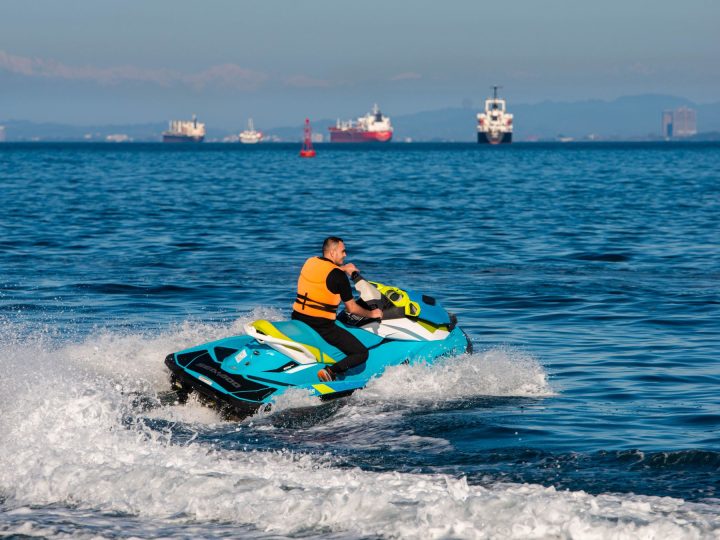 Boating and boat licences
Jet ski: do you need a licence? The rules to know
To ride alone, the coastal licence is required. Without a licence, there are guided rides. Distances, equipment and the zones to respect.
Read → Boating and boat licences
Coastal or offshore licence: which one do you actually need
The difference comes down to permitted distance and to how you navigate. Here is how to choose without paying for an extension…
Read →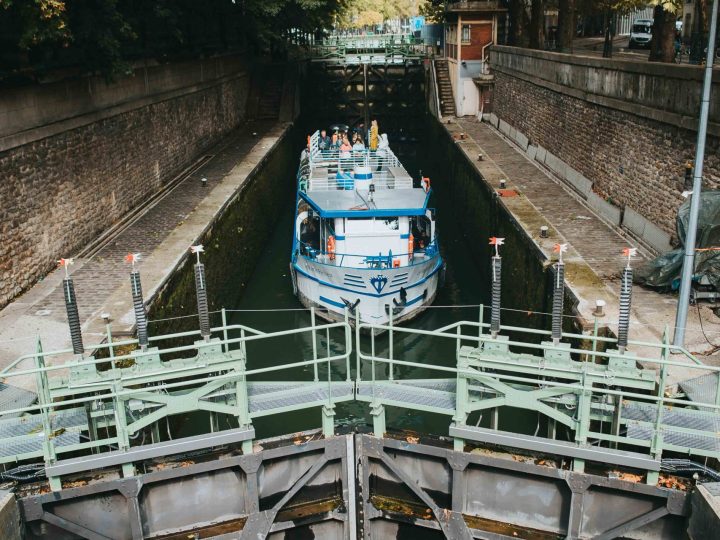 Boating and boat licences
The different boat licences: which one, what for, and for whom?
Coastal, offshore, inland waters, large craft, CRR: what each boat licence allows and who it is for, so you choose without paying…
Read → Boating and boat licences
Inland waters boat licence: what it allows and how to get it
Rivers, canals, waterways: what the French inland waters licence allows, how the training works, what it costs, and the shortcut for coastal…
Read → Boating and boat licences
Passing your boat licence: 8 tips from an instructor
From choosing your licence to exam day, what really makes the difference to pass your boat licence first time, from an instructor…
Read →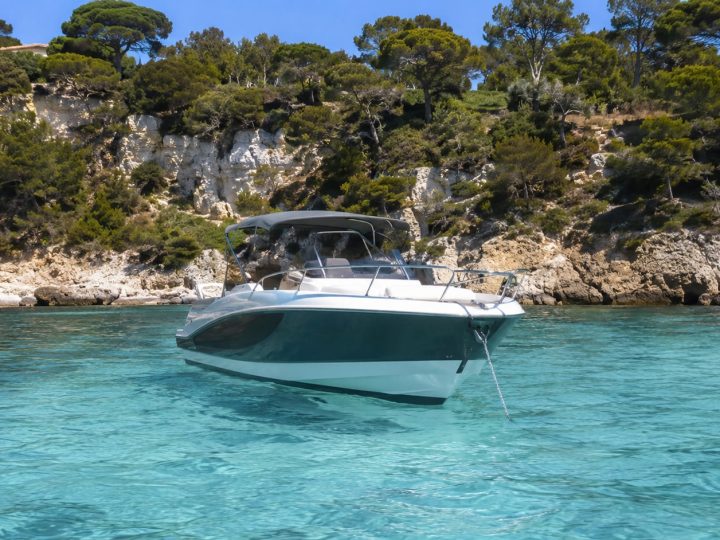 Boating and boat licences
Chartering a boat on the Côte d’Azur: what to know
With or without a licence, what size of boat, what budget, and the classic traps of summer chartering.
Read → Boating and boat licences
Carrying passengers by boat: NUC, BACPN, Capitaine 200 and professional training
Boat trips, rental skipper, dive boat: as soon as passengers pay, you need an NUC-approved boat and a professional title. A guide…
Read →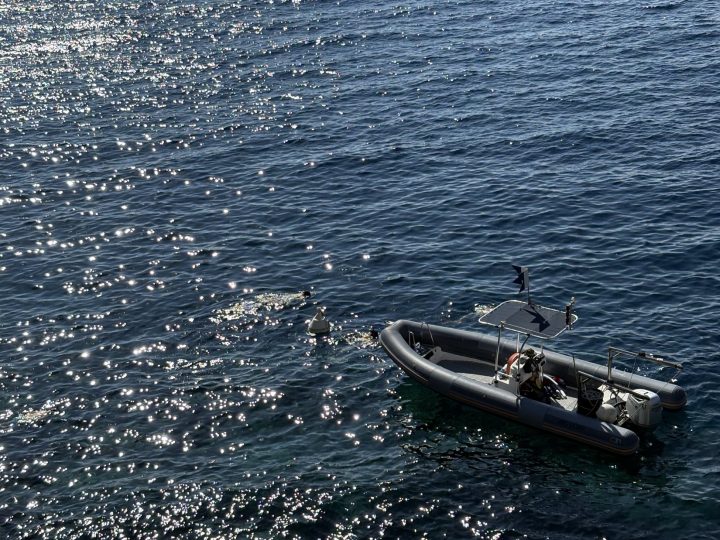 Boating and boat licences
Mandatory safety equipment on board: what you need by distance
The list depends on how far you go from a shelter. What you need within 2 miles, up to 6 miles, and…
Read →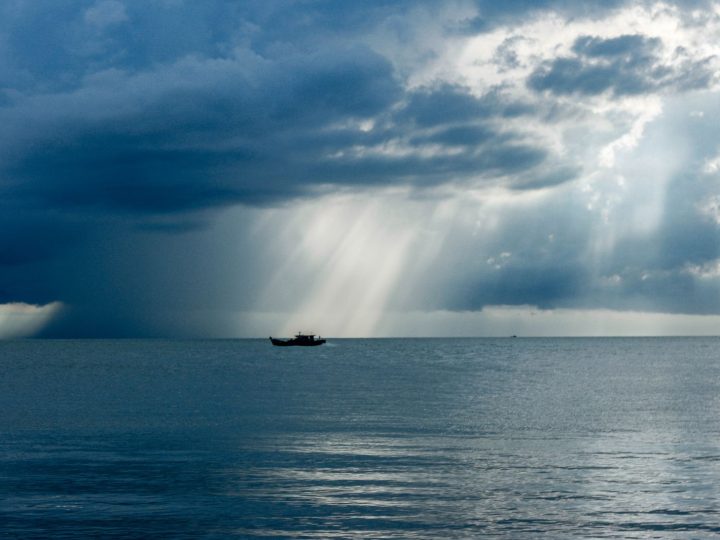 Boating and boat licences
Marine weather in Nice: reading it before you head out
Where to find the forecast, how to read it, the winds that matter on the Côte d’Azur, and the simplest rule: if…
Read → Boating and boat licences
Boat speed and restricted zones: the 300-metre strip
Near the coast, speed is limited and some zones are closed to boats. What the rules say, and how to spot them…
Read → Boating and boat licences
The most beautiful boat anchorages from Nice
Villefranche, Beaulieu, Cap Ferrat, the Mala, the Lérins Islands: where to drop anchor from the Port of Nice, how far it is,…
Read →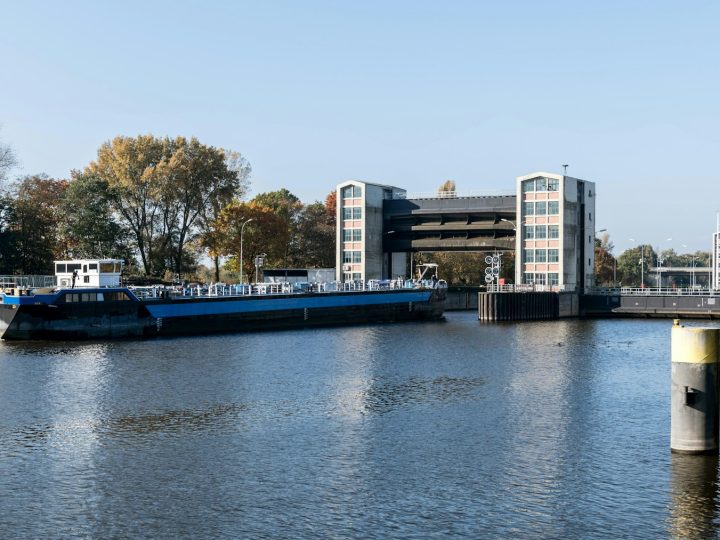 Boating and boat licences
Large craft inland waters extension: driving a boat over 20 metres
Barge, houseboat, large river craft: from 20 metres, the inland licence is no longer enough. Conditions, training and paperwork for the large…
Read →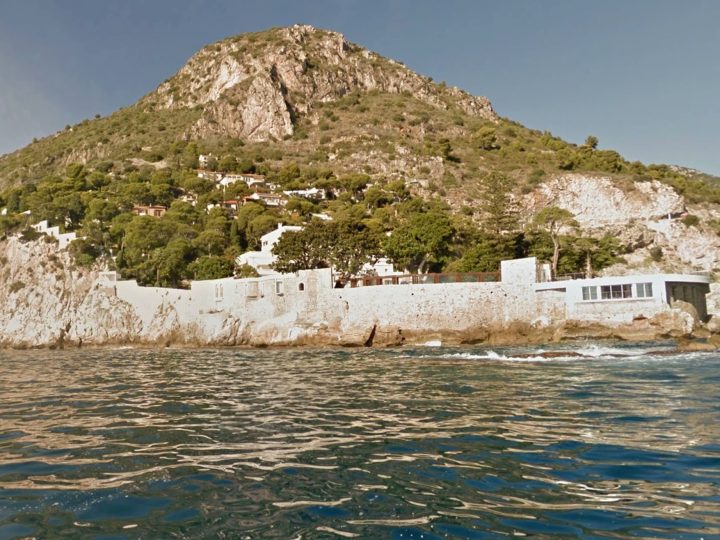 Boating and boat licences
Nice to Monaco by boat: the route, the time and the rules
A short trip past the Riviera’s finest headlands. The route, the time it takes, where to moor, and what changes when you…
Read →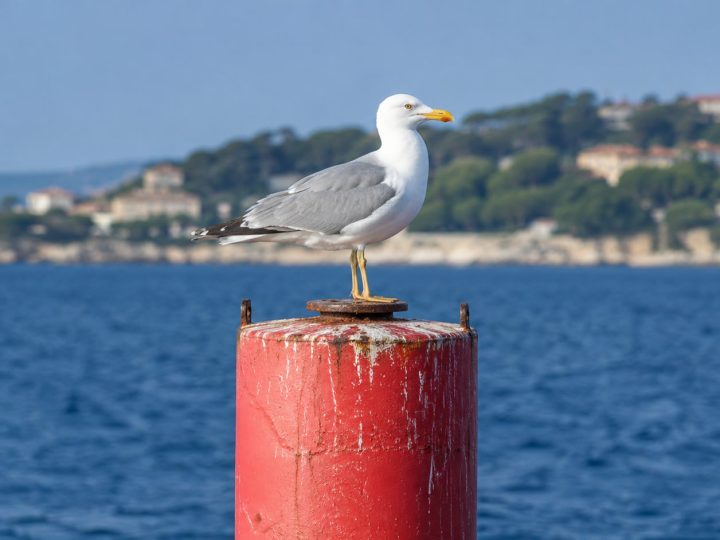 Boating and boat licences
The navigation rules to know in the Mediterranean
Right of way, buoyage, speed near the shore: the rules that come up most often, and the ones leisure boaters forget.
Read →- Boating and boat licences
VHF: calling the Port of Nice, and raising the alarm
The channel, the call format, what you say and in what order — for requesting permission to enter, and for alerting CROSS…
Read → - Boating and boat licences
Ports on the Côte d’Azur around Nice: where to stop by boat
From Menton to Antibes, the ports to stop at for lunch, fuel or a night alongside, and how to get a visitor…
Read → 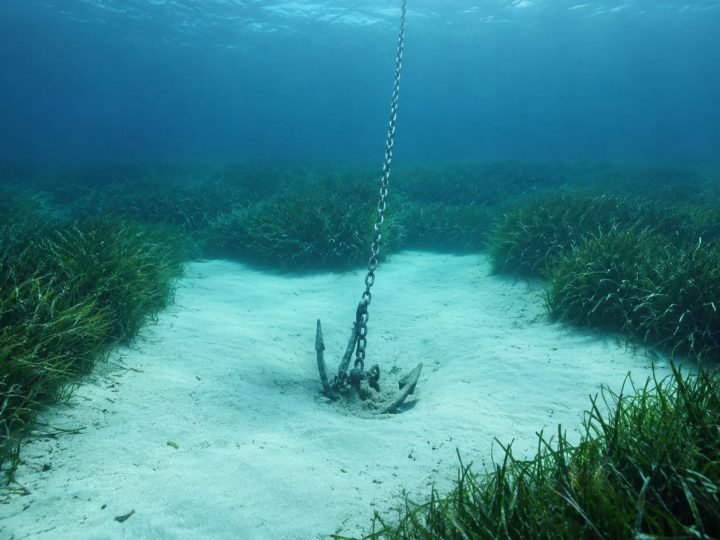 Boating and boat licences
Anchoring in the Mediterranean without destroying the seabed
Where to drop your anchor, how to recognise a Posidonia meadow, and why the rules have tightened on the Côte d'Azur.
Read →- Boating and boat licences
Three red lights at the entrance to the Port of Nice: what to do
The harbour is closed, and depending on whether the lights flash or occult, the instruction is not the same. How to read…
Read →
This course is scheduled with us
It depends on your level, your availability and the weather: we talk it through and set the dates together. WhatsApp is fastest.