
Passing your boat licence: 8 tips from an instructor
From choosing your licence to exam day, what really makes the difference to pass your boat licence first time, from an instructor on the Port of Nice.
The boat licence is nothing insurmountable, but it takes a bit of method, especially if sailing is new to you or your last exam was a long time ago. Here is the advice we give our students at the boat school on the Port of Nice.
1. Choose the right licence
At sea, the first step is the coastal licence: it lets you sail up to six nautical miles from a shelter. The offshore licence, an extension of the coastal one, removes that limit. On rivers and canals it is the inland waters licence, and the large inland craft licence for boats over 20 metres. Our article on the different boat licences explains them.
These licences are for leisure: they do not allow you to carry passengers for pay. To make it a job, you need merchant navy qualifications such as the Capitaine 200.
2. Choose a boat school that suits you
Training means trusting an instructor. Price matters, but it is not everything:
- find out about the instructors: online reviews, word of mouth, real experience at sea;
- look at what the price includes: a very low price often comes with minimal follow-up, and practice may be kept to the bare minimum;
- read the training contract before you sign: duration, rescheduling, what happens if practice needs to be extended;
- pick a centre that is easy to reach: you will go back several times.
A serious boat school always gives you a written training contract.
3. Wait until you sign up before buying a manual
Sailing relies on many rules and signals, harmonised internationally. You will need course material, but most boat schools provide their own, included in the course, and their teaching follows it. A manual bought too early often ends up redundant.
4. Be curious in the classroom
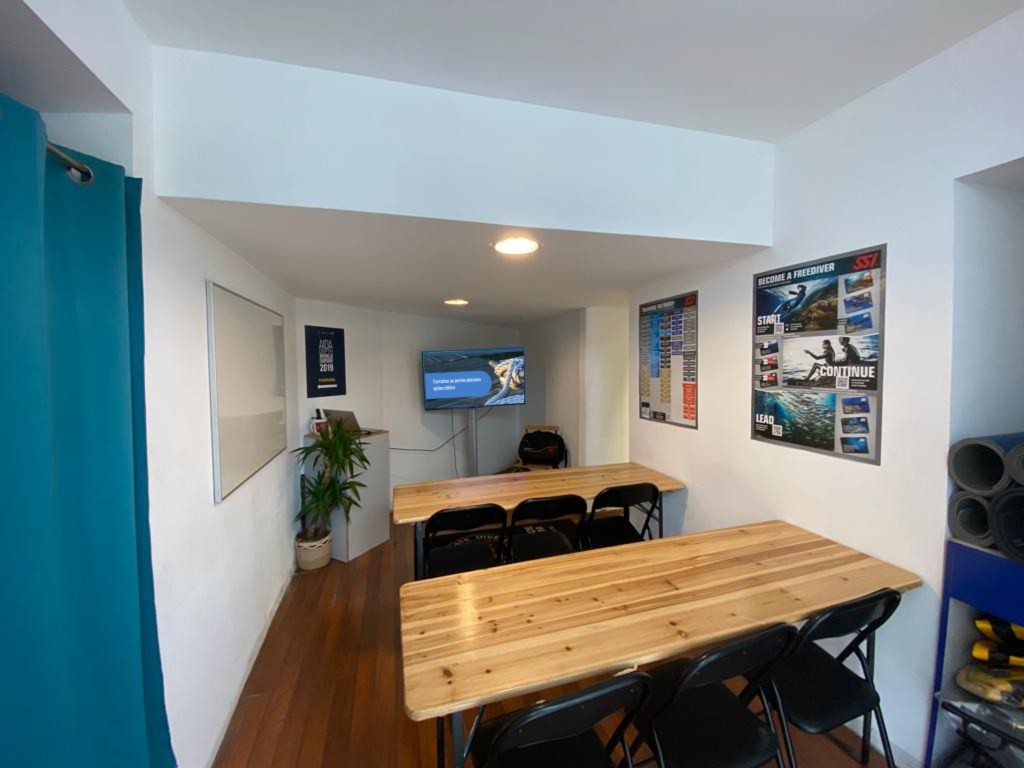
The rules require at least 5 hours of theory with an instructor. That is the moment to ask every question and get anything abstract explained: we remember what makes sense far better. A good class mixes explanations, real situations and memory aids, rather than strings of questions with no comment.
5. Set yourself deadlines
Without a date, a project drags on. Set a date for the theory exam, then for the practice, and stick to it. The training contract usually runs for six months, twelve with us: that is comfortable, as long as you do not leave everything to the end.
6. Revise a little, often
We learn through repetition. After the classroom day, reread your material and do online multiple-choice series. A few minutes a day for one or two weeks is far better than a stressful evening of cramming before the exam.
7. Arrive at the exam in good shape
The exam is a 40-question multiple-choice test, with 5 mistakes allowed. A good night’s sleep, no excess, and in the exam room a deep breath: focus on each question without dwelling on the ones that made you hesitate.
8. Take the time you need for the practice
The rules require at least 2 hours at the helm. That means 2 hours of you manoeuvring, not 2 hours of watching. A boat does not handle like a car: wind, current, propulsion and inertia all come into play. Those 2 hours are a legal minimum; if your instructor suggests another session, it is so that you leave genuinely independent.
With us, practice starts from Villefranche-sur-Mer, two students per boat, and carries on until you pass: up to 2 free hours on top of the 2 required hours, then €90 an hour if needed.
After the licence
If you do not sail often, go over the rules before each season and manoeuvre carefully. The sea is a space of freedom, but one shared with swimmers, divers, fishermen and windsurfers. Our article on the navigation rules in the Mediterranean covers what people forget most.
Ready to start? Discover the Chango Sea boat school on the Port of Nice, and how the coastal licence works.
We teach the boat licence
Coastal, offshore, radio certificate: theory at the Port of Nice, practice at sea from Villefranche-sur-Mer, until you pass.
Also worth reading

Boat licence in Villefranche-sur-Mer: practice in the bay
Coastal licence practice in one of the finest bays in the Mediterranean: why it is such a good place to learn, how…

Carrying passengers by boat: NUC, BACPN, Capitaine 200 and professional training
Boat trips, rental skipper, dive boat: as soon as passengers pay, you need an NUC-approved boat and a professional title. A guide…
Large craft inland waters extension: driving a boat over 20 metres
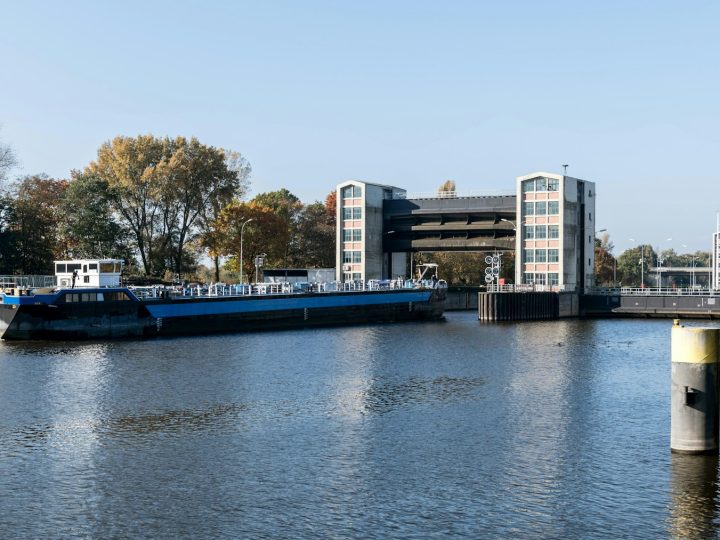
Barge, houseboat, large river craft: from 20 metres, the inland licence is no longer enough. Conditions, training and paperwork for the large…


