
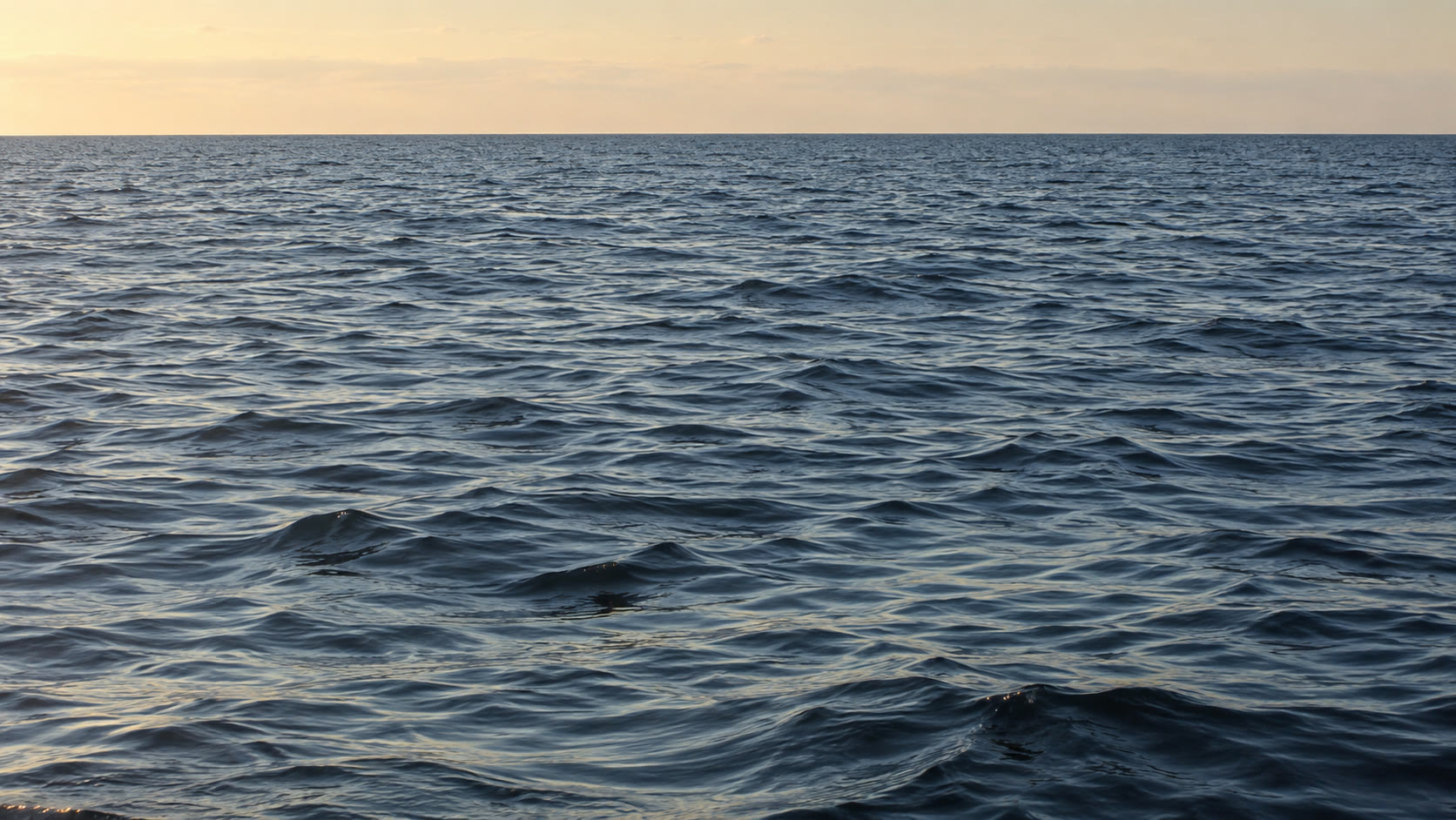
Sea temperature in Nice, month by month
When to swim, when to put a wetsuit on, and when visibility is at its best.
The average temperatures
The sea off Nice ranges from 13 °C (55 °F) in February to 26 °C (79 °F) in August. It warms slowly in spring and holds its heat late into autumn — and it is that lag which makes September and October the best months for the water.
January to March: 13 to 14 °C
For properly equipped divers only. Diving continues all year in a thick or drysuit, and visibility is often excellent: cold water is clear water.
April and May: 15 to 18 °C
The season starts again. A 5 mm wetsuit is enough. Marine life is particularly active at this time of year, with many species breeding.
June and July: 21 to 24 °C
Swimming becomes comfortable without a suit. For a long snorkelling session a thin wetsuit is still welcome: you cool down quickly lying still at the surface.
August: 25 to 26 °C
The peak. Pleasant swimming, but also the busiest month and sometimes the least clear, the sea being stirred up by traffic and by storms.
September and October: 22 to 24 °C
Our favourite time. The water stays warm, the sea settles, visibility improves and the crowds disappear. Schools of barracuda are often waiting on the walls off Saint-Jean-Cap-Ferrat.
November and December: 16 to 19 °C
A wetsuit is essential, but the water is often remarkably clear and the sites are deserted.
What matters more than temperature
The wind, in fact. A spell of mistral or an easterly makes the sea rough and murky for two or three days, whatever the season. That is where the bay of Villefranche earns its keep: sheltered by the hills, it stays divable when the Baie des Anges no longer is. It is why we choose the site on the morning itself, and why a trip can be moved.
Which wetsuit for which month
For scuba diving, where you stay down long and deep:
- December to April: 7 mm with a hood, or a drysuit if you feel the cold.
- May, June, November: 7 mm, or 5 mm with a neoprene top.
- July to October: 5 mm. The surface is warm, the bottom is not — see below.
For snorkelling you can go down a notch: a shorty or a rash vest in July and August, a 3 mm in June and September. It depends more on how long you spend in the water than on the temperature shown.
The surface lies: the thermocline
The temperatures in this article are surface temperatures. In summer, warm water forms a layer a few metres thick sitting on much colder water. The boundary between the two, the thermocline, is crossed all at once: you can go from 25 °C to 17 °C in two fin kicks, at around fifteen or twenty metres.
That is why an August dive is done in a 5 mm suit while swimming needs nothing. And it is also why cold remains one of the three most common problems in recreational diving, which we cover in narcosis, breathlessness and cold.
Freediving
At the same temperature, a freediver gets colder than a scuba diver: they stay still at the surface between dives and breathe air that does not warm them. Hence specific wetsuits, often thicker and made of open-cell neoprene, which cling to the skin and do not let water circulate.
Come diving in Nice
From try dives at age eight to children's courses, our trips leave from Quai Lunel all year round.
Also worth reading
Choosing a mask: scuba, freediving and snorkelling
The suction test decides everything and takes ten seconds. Then internal volume, which changes everything between the three, one lens or two,…
Getting into a wetsuit without a fifteen-minute struggle
The tights trick, the plastic bag trick, and why they work. Plus a true story the whole team still talks about.
Who dives with us
A third of French divers are women, a cylinder you never carry, and one simple rule: everyone belongs here, and nobody has…


